
Blogs
Mastering Suspense in Horror Writing: Techniques That Readers on Edge

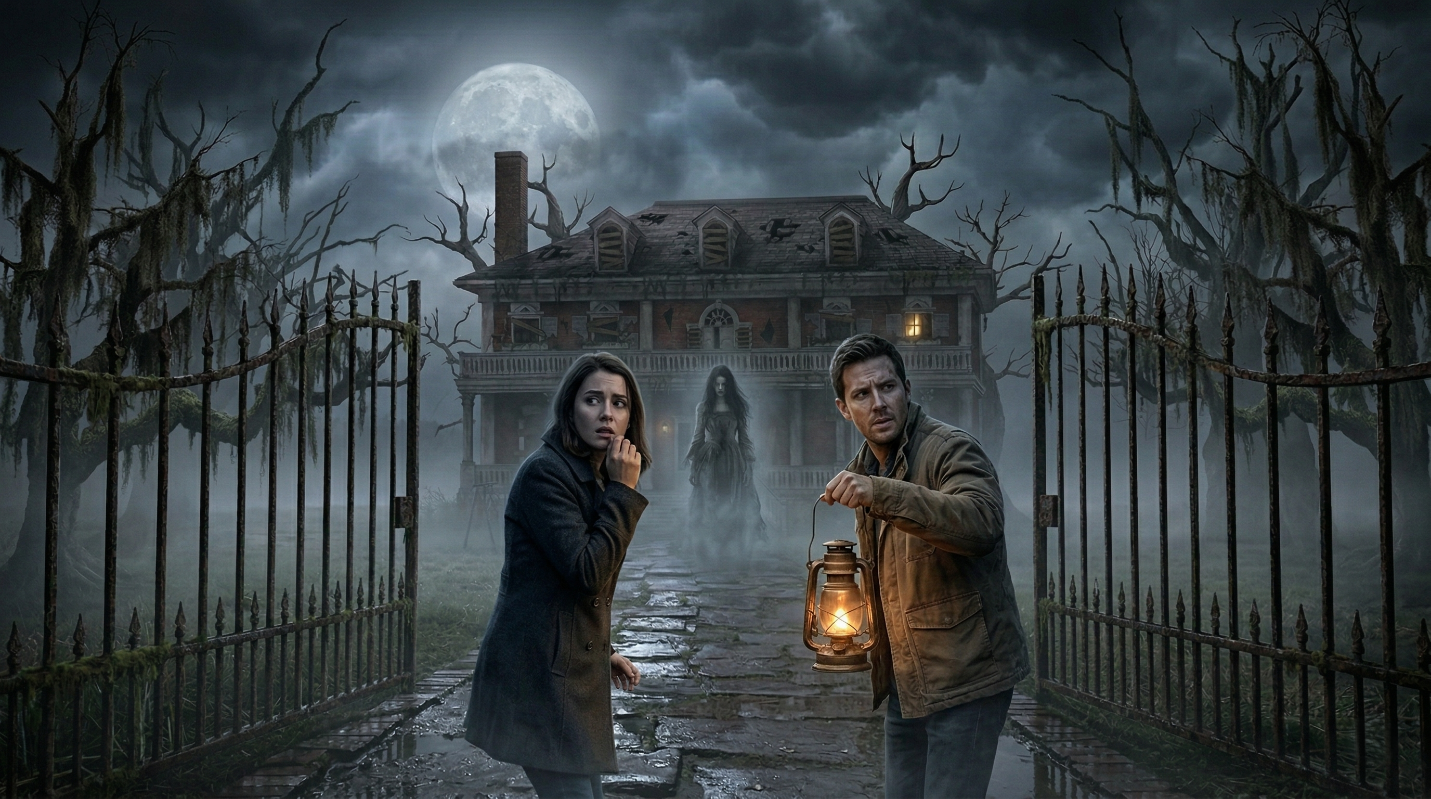
Suspense is the heart of effective horror writing. Without it, even the most terrifying ideas can fall flat. Creating suspense is not simply about shocking the reader but about building tension, anticipation, and uncertainty that keeps them emotionally engaged. Skilled horror writers understand how to control information, manipulate pacing, and create an atmosphere that makes readers feel uneasy long before anything frightening actually happens.
Understanding the Nature of Suspense
Suspense in horror writing is built on the fear of the unknown. It arises when readers sense that something is wrong but do not yet know what it is. This uncertainty creates a psychological tension that pulls readers deeper into the story. Rather than revealing everything at once, effective suspense relies on gradual discovery, allowing fear to grow naturally in the reader’s mind.
Writers must remember that suspense is not about constant action but about controlled anticipation. The more a reader imagines what might happen, the more intense the experience becomes.
Building Atmosphere and Setting
A strong atmosphere is essential for creating suspense in horror writing. The setting should feel immersive and slightly unsettling, even in ordinary environments. Descriptions of dim lighting, silence, isolation, or unfamiliar surroundings can evoke a sense of unease.
Atmosphere works best when it appeals to the senses. Sounds, shadows, and subtle movements can suggest danger without directly showing it. This approach allows readers to feel that something is lurking beneath the surface, increasing tension throughout the narrative.
Controlling Pacing and Timing
Pacing plays a crucial role in maintaining suspense. Slower pacing allows tension to build gradually, giving readers time to anticipate what might happen next. Quick pacing, on the other hand, can heighten urgency during key moments.
Effective horror writing balances both. By slowing down at critical points, writers can stretch moments of fear, making them more intense. Carefully timed reveals ensure that suspense is sustained rather than resolved too quickly.
Limiting Information
One of the most powerful techniques in horror writing is withholding information. When readers do not have all the answers, their imagination fills in the gaps, often creating something more frightening than anything explicitly described.
Writers can achieve this by revealing details in small pieces, allowing the mystery to unfold over time. Unanswered questions keep readers engaged and anxious to discover the truth, maintaining suspense throughout the story.
Creating Relatable Characters
Suspense becomes more effective when readers care about the characters. By developing relatable and believable characters, writers ensure that readers are emotionally invested in their fate. When a character is placed in danger, the tension increases because the reader fears for their safety.
Internal conflict can also add depth to suspense. Characters who struggle with fear, doubt, or past trauma make the story more engaging and realistic, intensifying the emotional impact of suspenseful moments.
Using Psychological Fear
Psychological horror is often more effective than physical threats because it targets the reader’s mind. Instead of relying solely on monsters or violence, writers can create suspense through paranoia, uncertainty, and distorted reality.
When characters begin to question what is real, readers share their confusion and fear. This type of suspense lingers longer, as it taps into deeper anxieties and fears that are not easily resolved.
The Power of the Unseen
What remains unseen is often more terrifying than what is revealed. Suggesting a presence without showing it allows the reader’s imagination to take control. Shadows, unexplained noises, and fleeting glimpses can all contribute to a sense of dread.
By delaying the full reveal of a threat, writers maintain suspense and keep readers in a constant state of anticipation.
Conclusion
Creating suspense in horror writing requires careful control of atmosphere, pacing, and information. By focusing on psychological tension, relatable characters, and the fear of the unknown, writers can craft stories that keep readers on edge from beginning to end. Suspense is not just about what happens, but how and when it is revealed, making it one of the most powerful tools in horror storytelling.
If you want to experience an immersive book that blends suspense and horror beautifully, order your copy now!